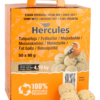


Net-free fat balls, conveniently packaged in a large box with a handle, are an indispensable and practical choice for supplementary winter feeding of forest and garden birds. During cold winter months, when natural food availability is limited due to snow and ice, small birds require abundant high-calorie food during the short daylight hours to maintain their body temperature. This composition of 90-gram fat balls contains a balanced blend of fat, grains, seeds, and minerals, offering birds a high-quality and easily digestible energy source.
As these fat balls are produced without plastic or nylon netting, they represent a more environmentally friendly and bird-safe option. The absence of nets eliminates the risk of birds’ feet becoming entangled in empty netting, and no plastic waste is left in nature after the ball is consumed. The generous 50-piece bulk package is economical and ensures a long-lasting food supply. The airtight plastic box makes storage convenient, protecting the contents from moisture and rodents.
Usage and Cultivation Instructions:
-
Placement: Place net-free fat balls in a specialized fat ball feeder. Net-free balls cannot be simply hung from a branch.
-
Location: Hang the feeder at a safe height (at least 1.5–2 meters from the ground) to prevent access by domestic cats or other predators.
-
Frequency and Consistency: Regularly check the fill level of bird feeders and holders. Once winter supplementary feeding has begun, it must be continued without interruption until spring, when the ground has thawed and natural food is once again available.
Tips and recommendations:
-
Store the fat ball box in a dry and cool room (e.g., garage or hallway). At room temperature, fat balls may soften and crumble.
-
Position the fat ball feeder near trees or dense bushes (approximately 2 meters away). This provides small birds with quick cover if birds of prey (e.g., sparrowhawks) appear.
-
For net-free balls, a wire spiral feeder or a tubular metal mesh feeder is most suitable, as it prevents larger birds (crows, magpies) from carrying away an entire ball at once.