

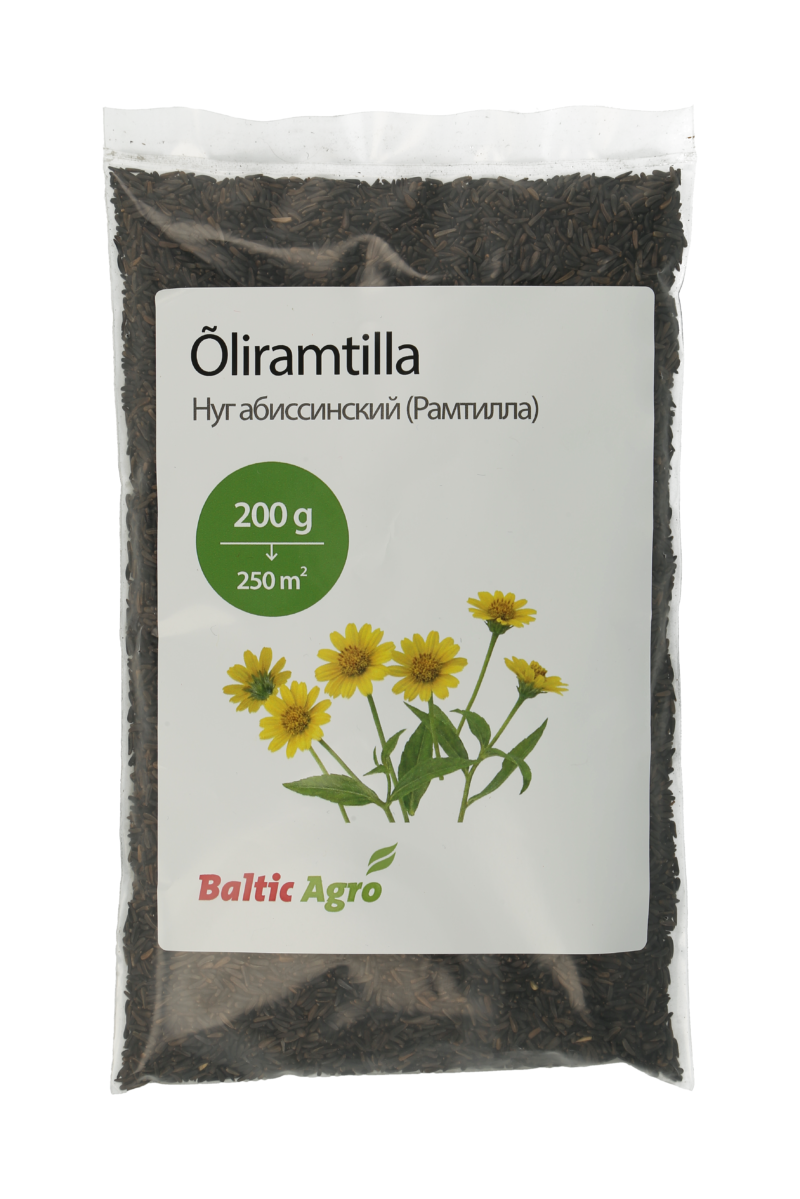

Niger (Guizotia abyssinica) – A smart choice for the demanding soil improver
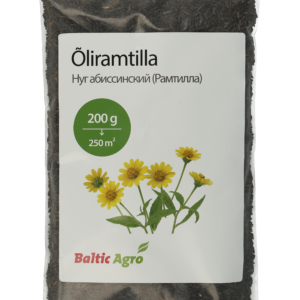
Niger is an exotic and decorative annual plant that offers farmers and gardeners much more than just visual appeal. This fast-growing crop, reminiscent of the Jerusalem artichoke, is an indispensable aid in planning crop rotations, helping to maintain soil health and boost the fertility of subsequent crops.
Why prefer Niger as a cover crop? Unlike conventional cover crops, Niger belongs to the Asteraceae family. This makes it a safe choice for inclusion in crop rotations involving crucifers (cabbage, swede, oilseed rape) or legumes (peas, beans), as it does not carry over the diseases or pests associated with those crops.
Main benefits of Niger:
-
Phosphorus “releaser”: This plant makes the phosphorus found in the soil easily available to subsequent crops, acting as a natural fertilizer factory.
-
A true bee magnet: As an excellent honey plant, Niger attracts pollinators to the garden, contributing to the entire garden ecosystem.
-
Drought tolerance and resilience: Thanks to its tropical origins, the plant is highly drought-resistant, thriving even during hot summers when other green manures wither.
-
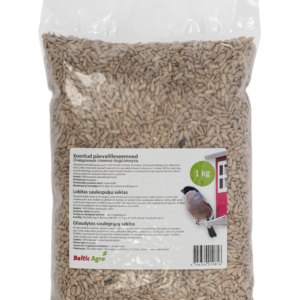
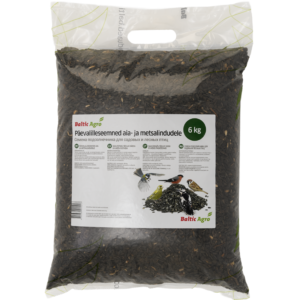
Versatile benefits: In addition to soil improvement, its seeds (also known as Niger seeds) are a favorite food for birds, especially finches and greenfinches.
Growing tips:
-
Sowing: Niger is a cold-sensitive tropical plant. Sow the seeds only when the danger of night frost has completely passed or immediately after harvesting an early crop in the second half of the summer.
-
Location: Prefers sunny and well-drained soil. Growth remains modest in waterlogged and compacted soil.
-
Plowing under: For best results, plow the plants into the soil before flowering – this is when the organic matter value is highest.
-
Sowing depth: Light and shallow sowing, to a depth of only about 1 cm.